Can You Install a Cast Iron Rainwater System Yourself?
By Cast Iron Outlet
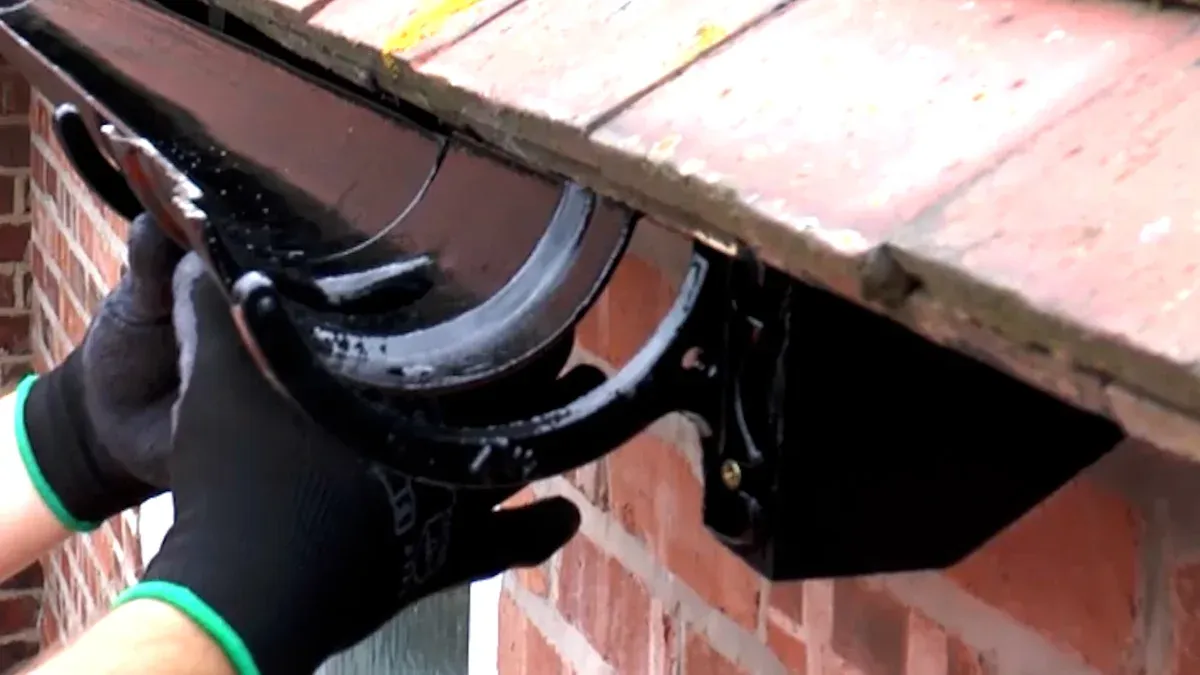
What Is a Cast Iron Rainwater System?
A cast iron rainwater system typically comprises:
• Gutters
• Downpipes
• Hopper heads
• Running outlets
• Brackets and fixings
• Bends and shoes
These components work together to collect rainwater from the roof and direct it safely away from the building.
Cast iron remains a popular choice where architectural authenticity is important and is frequently specified for listed buildings, conservation areas, and traditional properties.
Benefits of Cast Iron Rainwater Systems
Cast iron rainwater goods offer several potential advantages:
- Traditional appearance that complements period architecture
- Strong and robust construction
- Resistance to UV degradation
- Recyclable material
- Potential for a long service life when correctly installed and maintained
- Suitable for heritage and conservation projects
As with any building product, performance and longevity will depend on factors including the product specification, installation quality, maintenance regime, and environmental conditions.
Tools and Equipment Required
Installing cast iron rainwater products may require:
- Tape measure
- Spirit level
- String line or chalk line
- Drill and suitable masonry bits
- Appropriate fixings and anchors
- Screwdrivers or impact driver
- Manufacturer-approved sealants where required
- Access equipment such as ladders or scaffold towers
- Suitable personal protective equipment (PPE)
Always refer to the specific installation guidance provided by the product manufacturer.
Typical Installation Process
1. Survey and Measure
Measure the roofline and identify:
- Gutter runs
- Outlet positions
- Downpipe locations
- Bracket fixing points
Accurate measurements help ensure the system is installed correctly and drains effectively.
2. Set Out the Gutter Fall
Gutters are typically installed with a slight fall towards the outlet to encourage effective drainage. Using a string line can help establish a consistent gradient across the entire run.
3. Install Gutter Brackets
Brackets should be securely fixed to sound substrates capable of supporting the weight of the cast iron system and any water it may contain. Bracket spacing should follow the manufacturer's recommendations.
4. Fix the Gutter Sections
Gutter lengths are positioned within the brackets and connected using the jointing method specified by the manufacturer. Depending on the system, this may include:
- Bolted joints
- Mechanical fixings
- Gaskets
- Sealants
Care should be taken to ensure joints are correctly aligned and installed.
5. Install Outlets and Hopper Heads
Running outlets and hopper heads should be fitted in accordance with the manufacturer's instructions and aligned to suit the planned downpipe positions.
6. Install the Downpipes
Downpipes are generally installed from the outlet downward, using wall brackets fixed securely into suitable substrates. Correct alignment helps support efficient drainage and an attractive finished appearance.
7. Test the System
Once installation is complete, the system should be tested to confirm:
- Water flows correctly to outlets
- Joints perform as intended
- Components are securely fixed
- Alignment is satisfactory
Can a Homeowner Install a Cast Iron Rainwater System?
Whether a homeowner can install a cast iron rainwater system depends on the complexity of the project, the height of the building, the weight of the components, and the individual's competence and experience.
Situations Where DIY Installation May Be Possible
A competent homeowner may be able to install certain cast iron rainwater products where:
- The building is single storey
- Access is straightforward
- Suitable access equipment is available
- Manufacturer installation instructions can be followed
- Components can be handled safely
- Assistance is available when lifting heavier sections
Projects such as garages, garden buildings, porches, and some low-level extensions may be more suitable for competent DIY installation.
Situations Where Professional Installation May Be Preferable
Professional installation may be worth considering where:
- The property is two storeys or higher
- Extensive work at height is required
- Large or heavy components are being installed
- Specialist access equipment is needed
- The property is listed or historically significant
- Existing structural defects require repair
In these situations, experienced contractors may be better placed to manage the practical and safety considerations associated with the installation.
Important Safety Considerations
Working at Height
Many rainwater installations involve working above ground level. Before starting work:
- Ensure access equipment is suitable and in good condition
- Follow safe ladder or scaffold practices
- Avoid working during poor weather conditions
- Maintain safe access and working areas at all times
For longer-duration projects, a scaffold tower may provide a more stable working platform than a ladder.
Manual Handling
Cast iron components can be heavy and awkward to manoeuvre. To reduce manual handling risks:
- Assess the weight of components before lifting
- Use assistance where required
- Avoid overreaching while carrying materials
- Follow safe lifting techniques
Fixings and Structural Support The supporting structure must be capable of carrying the loads imposed by the rainwater system.
Always use fixings suitable for the substrate and follow manufacturer recommendations regarding bracket spacing and installation. Personal Protective Equipment Suitable PPE may include:
- Safety gloves
- Safety footwear
- Eye protection
- Head protection where appropriate
Common Installation Issues
Some common causes of poor performance include:
- Insufficient gutter fall
- Incorrect bracket spacing
- Inadequately secured fixings
- Misaligned downpipes
- Improperly installed joints
- Failure to follow manufacturer instructions
Careful planning and attention to detail can help minimise these issues.
Conclusion
Cast iron rainwater systems remain a popular option for projects where appearance, durability, and traditional aesthetics are important. A competent homeowner may be able to install certain cast iron rainwater products on low-level buildings, provided appropriate access equipment, safe working practices, and manufacturer installation instructions are followed. For higher buildings, more complex installations, or projects involving significant work at height, professional installers may be better placed to manage the associated risks and installation requirements.
Safety Notice: Installation of cast iron rainwater systems may involve working at height and manual handling of heavy components. Always follow the manufacturer's installation instructions, carry out an appropriate assessment of the work involved, and comply with applicable health and safety requirements. If you are unsure whether the work can be undertaken safely, seek advice from a suitably qualified professional.